At a Glance
Hand-waving flags can attract attention through movement, height and visibility, making them useful for busy, energetic events. Static signage remains better suited to directions, maps, schedules and essential information. The most effective approach often combines both by using flags to draw attention and static signs to provide clear, practical guidance. To design your event branding, contact House of Flags.
Are Hand-Waving Flags Better Than Static Signage?
At a busy event, getting noticed can be harder than it sounds. Crowds, stalls, banners and displays all compete for attention, so choosing the right signage can make a real difference.
One of the benefits of hand-waving flags at events is that they’re designed to stand out through movement. Meanwhile, static signage relies on bold colours, clear messaging and strong positioning to attract visitors.
That said, does movement actually make hand-waving flags more effective than traditional static signs? The answer depends on the type of event, where you place the signage and what you want it to achieve.
Hand-waving flags can boost sponsor visibility and create a lively atmosphere, while static signage may be better for displaying detailed or longer-lasting information.
In this blog, we’ll provide a comparison of hand-waving flags vs static signage at events, looking at visibility, engagement, practicality and cost to help you understand which type of event promotional tool could work best for your needs.
What Makes Hand-Waving Flags Different
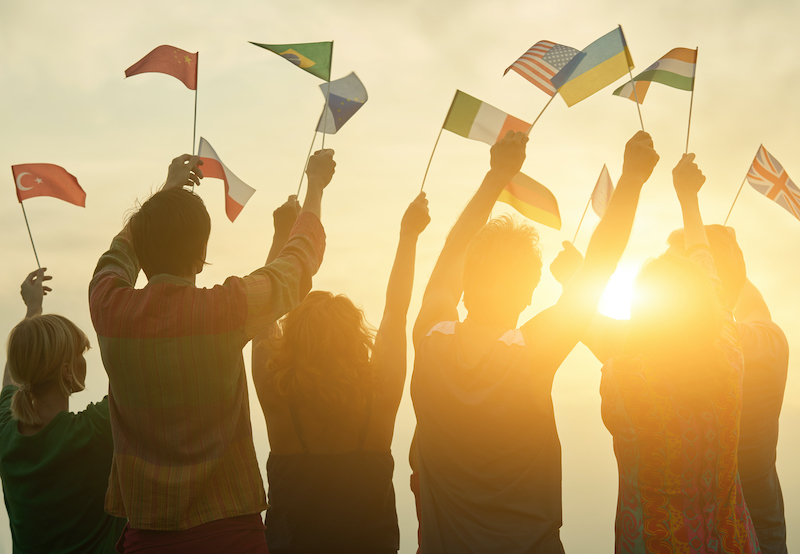
Hand-waving flags differ from static signage because they combine movement, visibility and audience participation. Instead of staying in one position, these small flags move as people wave them, creating a changing visual display that's easier to notice in a busy event environment.
Movement can attract attention, while bright colours and simple branding make the message easier to recognise. They’re also lightweight and easy to distribute, making them useful for parades, football matches, festivals and brand activations.
Rather than simply displaying a message, hand-waving flags can turn attendees themselves into part of the event branding. This makes them particularly useful when creating a sense of energy, unity and participation.
Where Static Signage Still Wins