At a Glance
In England, businesses may be able to fly certain flags without planning consent, provided they meet specific rules on size, position and display. Other flags may need advertisement consent, particularly in protected areas, and some flagpoles may also need planning permission. Businesses should check the relevant conditions and speak to their local planning authority before installing a flagpole or ordering a display. To design and produce your flags, contact House of Flags.
Do I Need Planning Permission for a Flagpole?
Putting a flag outside your business can be a great way to make your premises more visible and reinforce your brand. However, before you install a flagpole or display a large flag, it’s important to understand whether flagpole planning permission may be required.
The rules can depend on factors such as the size and height of the flag, where it’ll be positioned and the type of property or area involved. Some flags can be displayed without formal planning consent, while others may need approval from the local planning authority.
There may also be specific rules for listed buildings, conservation areas and areas of special control. It’s best to understand these flagpole regulations in the UK before installing a flag, so you can avoid unexpected costs or complaints that force you to remove the display.
Have you been asking, “Do I need planning permission for a flagpole?” In this blog, we’ll explain what businesses should know if they’re considering flying a flag outside their premises.
The Short Answer for Most Businesses
In England, many businesses don’t need formal consent to fly certain types of flags, including local and national flags, as long as they meet the relevant rules.
However, business or advertising flags can be treated differently. Some may need advertisement consent from the local planning authority, particularly if they don’t fall within the categories that can be flown without approval.
The rules on flagpole planning permission can also differ across the UK. If you’re unsure whether your business flag needs consent, your local planning authority can advise you before you install it.
Do the Rules Differ in Wales, Scotland and Northern Ireland?
Yes. The rules in this guide apply to England. Wales still follows the Town and Country Planning (Control of Advertisements) Regulations 1992. Under these, national flags on a single vertical flagpole don’t need consent, but a business flag only has deemed consent when it’s flown from a single flagpole on the roof.
Northern Ireland follows the Planning (Control of Advertisements) Regulations (Northern Ireland) 2015, with similar rules for national flags and roof-mounted business flags.
Scotland has its own Town and Country Planning (Control of Advertisements) (Scotland) Regulations 1984. If your business is outside England, speak to your local council’s planning department before you order.
What the Advertisement Regulations Actually Say
In England, flags are covered by the Town and Country Planning (Control of Advertisements) (England) Regulations 2007. These rules treat some flags as advertisements, meaning certain displays may need approval from your local planning authority.
However, not every flag needs permission. Some can be flown without consent, while others have “deemed consent”, meaning they’re allowed as long as they meet certain conditions. These conditions can cover things such as the flag’s size, position and design.
If a flag doesn’t fit into either category, you’ll need to apply for express consent before displaying it.
Flagpoles, Building Flags and the Rules That Apply
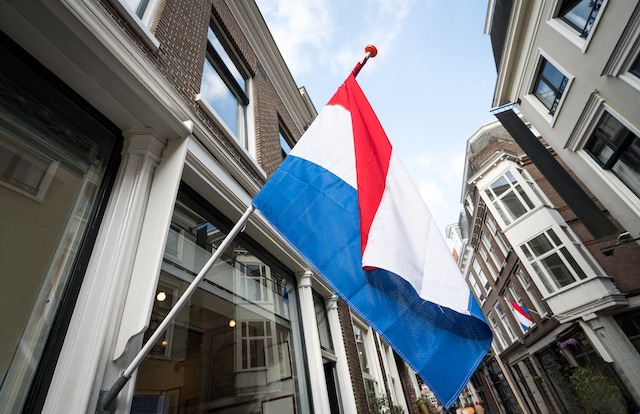
The rules can change depending on where you install your flag. In England, a flagpole standing within the grounds of a business can generally be used without consent if it meets relevant conditions. For example, no part of a flagpole in the grounds of your building can be more than 4.6 metres above ground level, and you can usually have up to two.
Flags on a flagpole projecting from the side of a building have different requirements, including a 2 square metre size limit. Roof-mounted flagpoles have separate rules, with no limit on the size of the flag.
Bear in mind that advertisement consent covers the flag itself. Putting up a new flagpole, particularly a tall one or one fixed to a listed building, may also need planning permission or listed building consent, so check with your council first.
In conservation areas, National Parks, Areas of Outstanding Natural Beauty and the Broads, flags on projecting or ground-mounted flagpoles need consent, and lettering on a roof flag can’t be more than 0.75 metres high.
When You Might Need Consent
You may need consent if your business flag doesn’t fit into one of the categories that can be flown without approval. This could include a flag that promotes your business but doesn’t meet the rules for a permitted house flag, or one that falls outside the size, position or display limits.
You may also need consent if the flag is in a controlled area, such as a conservation area, National Park, Area of Outstanding Natural Beauty or the Broads. If you’re unsure, it’s best to check with your local planning authority before installing the flag.
Staying Compliant While Still Standing Out
Businesses don’t have to sacrifice visibility to stay compliant. A well-designed company flag can still attract attention while meeting the relevant requirements.
Before installing one, you should check the flag’s size, position and the type of flagpole you plan to use. Remember that all flags must be kept safe, maintained properly and must not create a danger or obstruct official road, rail, waterway or aircraft signs.
If your flag falls outside the permitted categories or conditions, you’ll need to apply for express consent, often called flagpole planning permission, before putting it up. This simple step can help you avoid problems while still creating a clear, eye-catching display for your business.
Getting Advice Before You Order
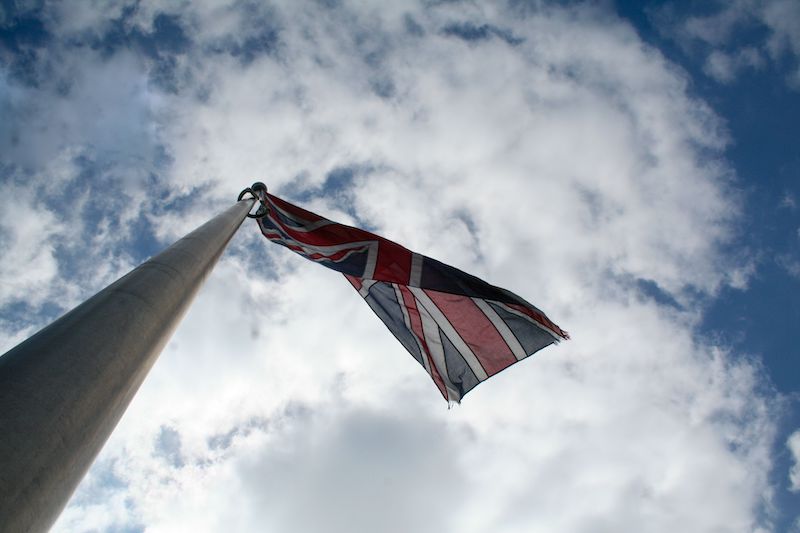
Before ordering a flag or flagpole, it’s worth checking that your planned display follows the rules. Think about the type of flag, where it will be placed, its size and the height of the flagpole. These details can affect whether you can display it without consent or need approval first.
In England, the government recommends contacting your local planning authority if you’re unsure whether permission is needed. Getting advice before you spend money can help prevent delays, unexpected changes or having to remove the flag later. It can also give you confidence that your new display will be attractive and compliant.
For High-Quality Flags and Flagpoles, Contact House of Flags
Have you been asking, “Can I fly an advertising flag outside my business?” Find out whether you’ll need flagpole planning permission, and let us help design your business advertising flags.
At House of Flags, we’ve got decades of experience manufacturing and supplying a wide range of effective promotional products. From feather flags, banners, display stands and signage to branded flags and more, we’ve got it all, including flagpoles.
With our expertise and high-quality products, you can rest assured that your brand will make an impact on your customers.
Explore our range of products and get in touch with us to learn more about our services.