At a Glance
Choosing between flags and windsocks depends on your purpose, location and visibility needs. Flags are ideal for branding and promotional displays, while windsocks are commonly used for direction and safety. Both offer clear visual communication in outdoor environments. Understanding the differences helps you select the right solution for your space. For expert advice and high-quality display solutions, contact House of Flags today.
Understanding Flags and Windsocks for Outdoor Visibility
When planning outdoor displays, choosing the right visual tool is important for both visibility and functionality. Businesses, event organisers and industrial sites rely on flags and windsocks to communicate information clearly. While both respond to wind movement, they serve different purposes depending on your goals and environment.
Understanding the difference between flags and windsocks helps you decide which option suits your branding, safety or directional needs. Flags are widely used for promotional displays, corporate branding and event marketing. Windsocks, on the other hand, are commonly used for wind direction, safety awareness and operational guidance.
At House of Flags, we supply custom flags and bespoke display solutions designed for professional environments. Whether you need custom-printed flags or practical windsocks, selecting the right option improves visibility and maintains a professional appearance. This guide explains the key differences so you can choose with confidence.
1. Flags vs Windsocks - Understanding the Difference
Flags are versatile promotional tools used to display branding, messaging and directional information at events and outdoor locations. Businesses use flags for promotional displays, corporate sites and events. Their simple design makes them versatile and easy to customise.
A windsock is a tubular fabric structure that captures air and flows in the direction of the wind. They are commonly seen in airfields, industrial sites or coastal locations. When considering flags vs. windsocks, the main difference lies in their purpose. Flags focus on branding, while windsocks are more functional.
Many often wonder, “Is a windsock a flag?”, but while it’s a common misunderstanding, windsocks and flags are not the same. Although both use fabric and wind movement, they serve different roles. Understanding windsocks and their uses helps businesses choose the right display solution.
2. Design and Structure – Flat Fabric vs Tubular Form
Flags feature a flat surface, making them ideal for logos, text and promotional graphics. Their design ensures that branding remains clear and recognisable, which is a key reason many organisations choose custom-printed flags to maintain a consistent visual identity.
Windsocks use a tubular design that inflates with wind. This shape allows them to clearly indicate airflow direction. When comparing flags vs. windsocks, the structural difference is one of the most noticeable factors. While both move with the wind, flags prioritise branding, whereas windsocks prioritise direction and visibility.
3. How Each Responds to Wind and Weather Conditions

Flags are designed to move naturally in the wind. Their movement helps attract attention and improve brand visibility. Additionally, when made with high-quality materials, they ensure durability in outdoor environments.
Windsocks respond differently. They inflate fully when wind is present, providing a clear visual indicator. This makes them useful in locations where wind awareness is essential.
When comparing flags vs windsocks, consider the environment where they will be placed. If branding is the priority, flags are ideal. If direction and safety are more important, windsocks may be more suitable.
4. Typical Uses
Flags are commonly used for corporate branding, retail promotions and event displays. Their versatility makes them suitable for many industries, especially for businesses that rely on flags to enhance brand presence and improve visibility in busy outdoor environments.
Windsocks are usually used for safety and directional purposes. Construction sites, airports and industrial areas rely on windsocks for wind awareness. Understanding the types of windsocks and their uses can help determine their suitability for your needs and ensure safer operational planning.
5. Which Is More Eye-Catching?
Flags create visual movement that attracts attention. Their height and design help brands stand out in busy environments. This makes them effective promotional tools.
Windsocks offer movement that indicates wind direction rather than branding. Their motion is functional rather than promotional. When comparing flags vs windsocks, this difference affects visual impact.
Businesses focused on branding usually choose flags, whereas operational environments rely on windsocks for practical visibility.
6. Choosing the Right Option for Your Location and Purpose
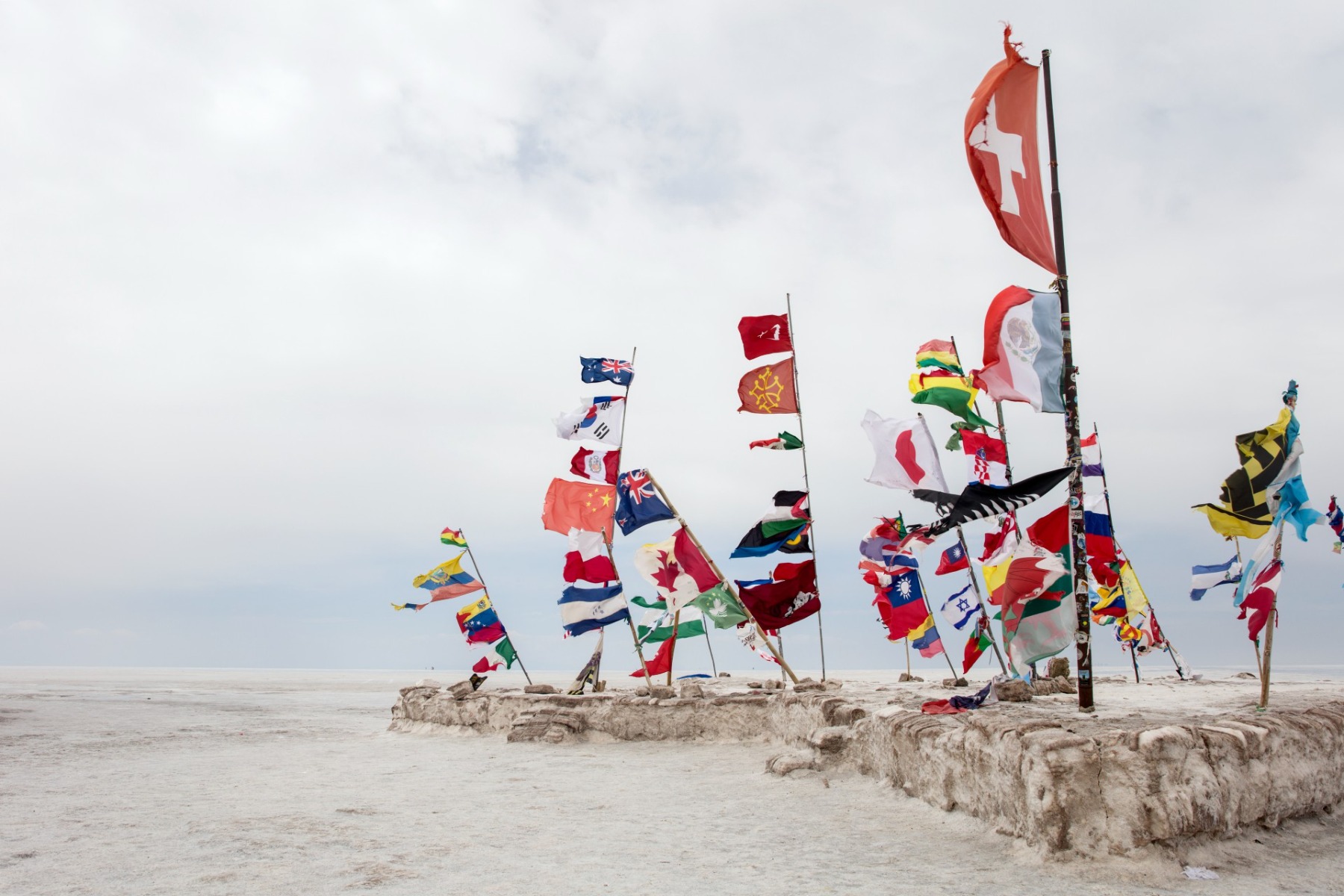
Selecting between flags and windsocks depends on your goals. If you need promotional displays, flags provide flexibility and branding opportunities. If you require directional awareness, windsocks fit the need and support safer decision-making in changing weather conditions.
Carefully considering flags vs. windsocks helps ensure you choose the right solution. Location, purpose and visibility all influence your decision, along with environmental factors such as wind exposure, site size and installation requirements.
Bringing Your Display Strategy to Life With House of Flags
Now that you understand the difference between flags vs windsocks and how they support different environments, we’re here to help you choose the right option.
At House of Flags, we have decades of experience manufacturing and supplying a wide range of promotional display products. From banners and signage to custom-printed flags and windsocks, we offer complete solutions.
With our expertise and high-quality products, your business can create professional outdoor displays that stand out. Explore our range of products today and get in touch to learn more about our services!