At a Glance
High-quality flags rely on the right combination of fabric, printing method, and construction. Materials such as polyester, knitted and woven fabrics, colourfast inks, and reinforced stitching affect a flag’s durability, appearance, and performance. Together, these elements determine how well a flag withstands wind, rain, sunlight, and long-term use.
To design your ideal flags, call House of Flags today.
Popular Flag Materials and Their Use
Flags may seem simple, but the materials used to make them play a big role in their appearance and longevity.
A high-quality flag needs to hold its colour, withstand harsh weather conditions, and still look smart after repeated use. Whether a flag is flying outside, at an event, or displayed indoors for promotions, the right fabric makes all the difference.
In this blog, we talk about the most common materials used to make high-quality flags and why they are used. From lightweight fabrics designed to move easily in the breeze to robust options built for long-term outdoor use, each material has its own strengths.
We’ll also look at how different flag fabrics affect durability and print quality. If you’re wondering what high-quality flags are made of, here’s all you need to know.
Why Fabric Choice Matters
The fabric used to make a flag directly affects its performance and longevity. A good-quality fabric allows the flag to fly smoothly, even in light wind, without tearing or fraying too quickly. It also helps the colours stay bright, rather than fading after a short time outdoors.
Stronger fabrics can handle rain, sun, and constant movement, which is especially important for flags flown regularly. Lighter fabrics, on the other hand, create better movement and visibility. If you choose the right fabric, your flags will look better on display and won’t need to be replaced as often.
Why Polyester Fabrics are the Industry Standard for Durable Flags
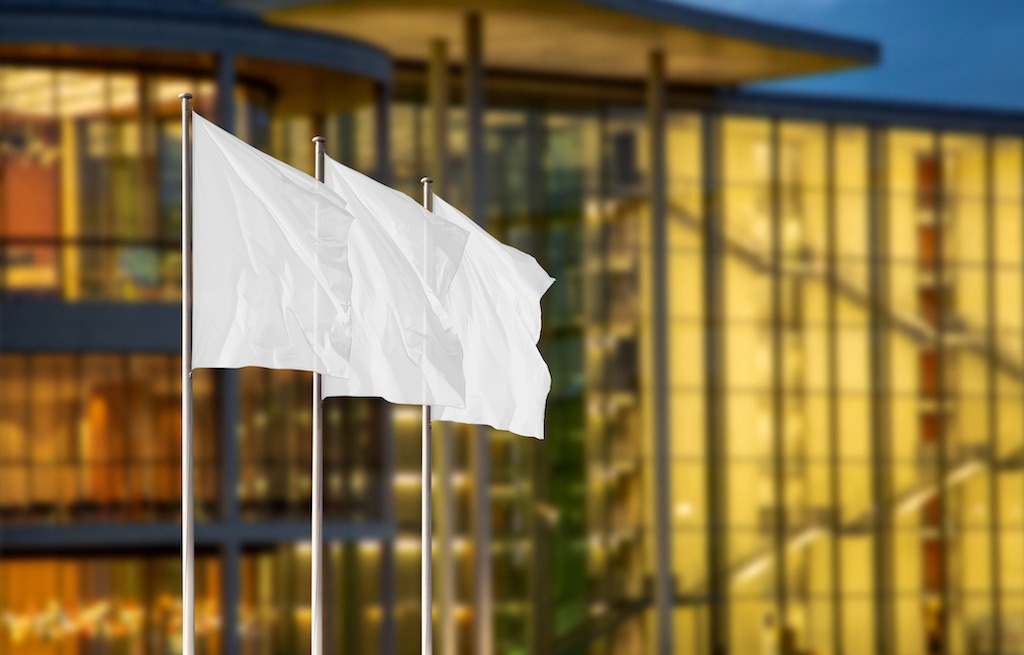
Polyester is one of the most commonly used materials for high-quality flags, and for good reason. It’s strong and lightweight, and it’s designed to handle outdoor conditions.
Polyester flags resist tearing and stretching, withstand wind, and dry quickly after rain. This fabric also holds printed colours well, helping flags stay clear and visually appealing over time.
Because polyester is both durable and flexible, it allows flags to fly smoothly while standing up to daily use. If you’re wondering what high-quality flags are made of for businesses, events, and long-term outdoor displays, polyester is a reliable and cost-effective choice.
The Difference Between Knitted and Woven Materials
Knitted and woven fabrics differ in how the fibres are made and how the flag behaves. Knitted materials are softer and more flexible, allowing the flag to move easily and fly well in light wind. They are often used for promotional or event flags.
Woven fabrics are tighter and more structured, making them stronger and more resistant to heavy wind and wear. This makes woven flags better suited for long-term outdoor use. The right choice depends on where you intend to use the flag and how much movement, strength, and durability are needed.
Ink, Dye, and Print Methods That Keep Colours Vibrant
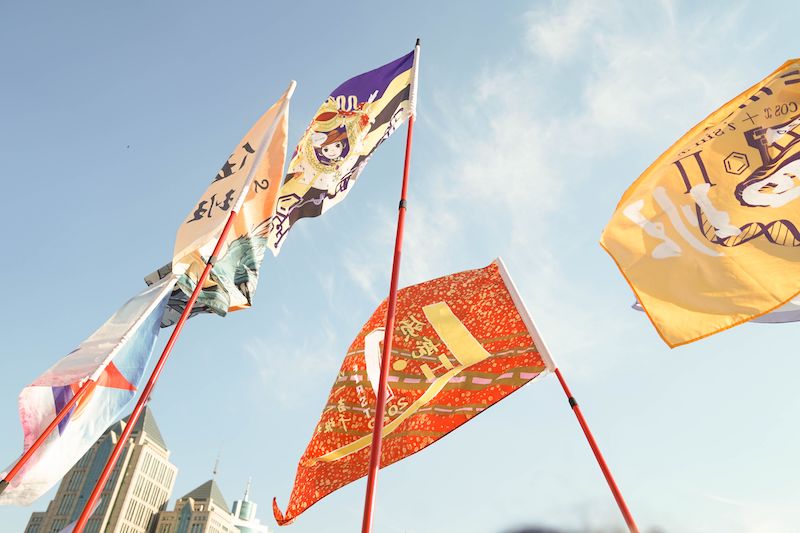
The way a flag is printed is just as important as the fabric itself. High-quality inks and dyes help colours stay bright and sharp, even after long exposure to sunlight and weather conditions.
Dye-sublimation printing is commonly used for flags because the dye bonds directly with the fabric, reducing fading and peeling. Other printing methods may sit on the surface, which can wear away over time.
A good print process also ensures that the designs are clear on both sides of the flag. Choosing the right ink and printing method will help your flags look professional and eye-catching while also making the visuals last longer.
Reinforcements, Stitching, and Finishing Details
Reinforcements and finishing details play a key role in how long a flag lasts. Strong stitching along the edges helps prevent fraying caused by constant movement and wind. Reinforced corners and double-stitched hems also add extra strength to areas that experience the most stress.
Quality flags also use durable heading materials, such as webbing or canvas, to support fixings like eyelets or sleeves. These small details may not be obvious at first, but they make a big difference over time. Well-finished flags hold their shape better and withstand regular outdoor use more reliably.
For High-Quality Flags Made With the Best Materials, Call House of Flags
If you were wondering what high-quality flags are made of, now you know. Need help designing the best flags and other promotional materials for branding? Let us help.
At House of Flags, we’ve got decades of experience manufacturing and supplying a wide range of effective promotional products. From banners, display stands and signage to branded flags and more, we’ve got it all!
With our expertise and high-quality products, you can rest assured that your brand will make an impact on your customers.
Explore our incredible products and get in touch with us to learn more about our services.