Setting up a temporary shop at an event or market is a great way to boost your brand recognition and sell your products face-to-face. If you're a small business owner, pop-ups offer exciting opportunities to showcase what you do and connect with customers.
However, to make the most of it, you’ll need more than just a table and a few products. From choosing the right location to creating an eye-catching setup, there are a few steps involved in making your temporary shop stand out.
In this guide, we’ll walk you through the essentials, like how to prepare, how to attract foot traffic, and ways to turn curious passersby into happy customers.
With some planning and creativity, your pop-up shop can leave a lasting impression and even lead to long-term success.
Let’s discuss how to get temporary shops up and running the right way.
1. Choosing the Right Event or Market for Your Brand
The first step to setting up a successful temporary retail shop is choosing the right event or market. Not all markets and events will suit your brand, so it’s important to do some research.
You can check the event’s size and location, the type of visitors it draws and find out which events will attract your target audience.
It’s useful to consider the entry cost, stall space, and whether similar brands have done well there before. Picking the right event will give you a better chance to connect with the right customers and make your time and effort truly worth it.
2. Securing Permits, Licences, and Insurance
Before you set up your temporary shop, you’ll need to make sure you have all the necessary permits, licences, and insurance in place. Different events and markets may have different rules and regulations, so it’s important you check with the organisers or local council to find out what’s required.
You might need a trading licence, food safety certification, or proof of liability insurance. Having the right paperwork will help you avoid being fined or asked to leave.
Insurance also protects you if something goes wrong, like accidental damage or injury. Overall, taking care of these details upfront will keep your business safe and running smoothly on the day.
3. Designing an Eye-Catching, Functional Stall Layout
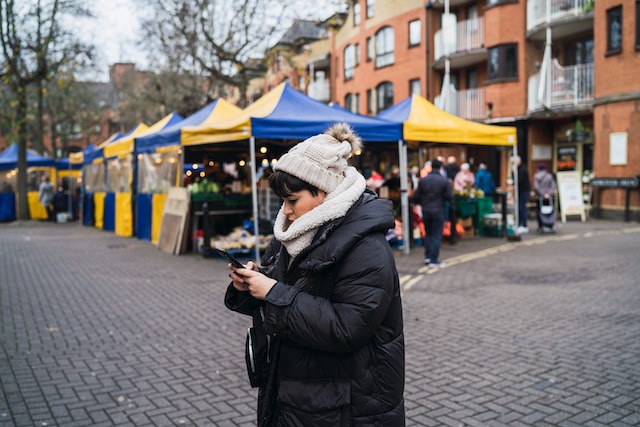
A well-designed stall can draw people in and invite them to explore your products. Start with a clear, tidy layout, and if possible, use a branded gazebo that reflects your identity and lets customers browse comfortably.
Use eye-catching signs, banners, and other display tools that show off your brand and make your stall stand out. Additionally, keep your best products at eye level and ensure prices are clearly visible.
Plan how visitors will move through your stall, try to avoid clutter and create a flow. Make the space functional, with space for storage and easy access to the items you need. A thoughtful layout will help you attract attention and keep shoppers engaged longer.
4. Packing the Essentials for Your Stall
Being well-prepared is the key to running a successful temporary retail shop. Start by making a checklist of essentials to bring with you, starting with your products, display materials, signage, and price tags.
Additionally, don’t forget a cash box, card reader, receipts, and plenty of change. You’ll also need to bring packaging like bags or boxes for customer purchases, as well as basic tools like scissors, tape, pens, and notepads.
Don’t forget personal essentials: a water bottle, snacks, and a phone charger. If you’re outdoors, prepare for the weather with items like parasols. Having everything you need on hand will help you stay organised and ready for anything the day brings.
5. Promoting Your Pop-Up Before, During, and After the Event
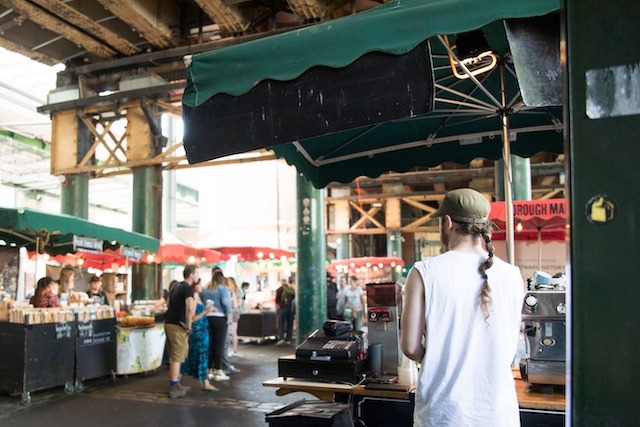
Promoting your pop-up shop is just as important as setting it up. Before the event, use social media, email newsletters, outdoor flags, and your website to let people know where and when you’ll be there.
On socials, share sneak peeks of your products or behind-the-scenes prep to build excitement. During the event, you can also post live updates, photos, and videos to draw in more visitors. You could even encourage happy customers to tag you online.
After the event, make sure to thank your followers, share highlights, and invite people to shop online or follow you for future updates. Good promotion is great for boosting foot traffic and sales, and creating long-term brand visibility.
6. Handling Payments, Inventory, and Customer Service on the Go
When you’re running a pop-up shop, you have to be able to manage everything on the go, so staying organised is essential. First, make sure to use a reliable card reader for quick and easy payments, and keep enough cash and change for customers who prefer to pay by hand.
You can also track your sales and stock levels throughout the day to avoid running out of popular items.
You should also have a notebook or app handy to note feedback or special requests. By handling all these aspects smoothly, you’ll create a positive experience that keeps people coming back.
To Design Your Pop-Up Shop for an Event, Call House of Flags
Now that you know how to set up temporary shops at events or markets, would you like some help designing customised branded materials for your shop? If so, we’ve got you covered.
At House of Flags, we have decades of experience in manufacturing and supplying a wide variety of effective promotional products. From banners, display stands and signage to branded flags and more, we’ve got it all!
With our expertise and high-quality products, you can rest assured that your brand will make an impact on your customers.
Explore our incredible products and get in touch with us to learn more about our services.