At a Glance
Effective brand storytelling relies on displays that work together across physical and digital touchpoints. Window setups, signage, product arrangements, and screens each play a role in creating consistency, reinforcing identity, and adapting to different audiences. When unified, these elements shape perception, communicate values, and deliver a clear, memorable brand message.
The Importance of Display Tools
When people walk into a store, they don’t just see products; they experience a story. Every element, from signage and shelves to digital screens and lighting, plays a role in shaping how customers feel about a brand.
This is where display options come in. On their own, each type of store display is useful, but when they work together, they create a stronger, more memorable brand message.
Window displays can spark curiosity, while in-store signage guides customers through the store. Plus, product arrangements are often used to highlight key offerings. Together, they build a consistent theme that reflects a brand’s values, personality, and promise.
In this blog, we’ll talk about how different display tools work hand in hand to tell a brand story. We explain how the right combination of display options helps businesses connect with their audience on a deeper level.
Creating Consistency Across All Visual Touchpoints
Consistency is key when it comes to building a strong brand story. Customers should experience the same message and style whether they see a store window, a product display, or a digital screen.
This means using the same colours, fonts, tone, and design across all visual touchpoints. When everything looks and feels connected, it helps people instantly recognise the brand and trust it.
For example, a playful brand might use bright colours and bold graphics everywhere, while a luxury brand may choose sleek designs and muted tones. Either way, consistency makes the brand memorable and easier to connect with.
Blending Digital and Physical Displays for Impact

When digital and physical displays are used together to tell a brand story, they’re more likely to capture attention. Physical displays, like flags, banners or window setups, give customers something tangible to interact with, while digital screens add movement, updates, and engaging visuals.
Together, they complement each other and make the brand story more dynamic. For instance, a clothing store might showcase outfits on mannequins while nearby screens show videos of the clothes in action.
This mix not only informs but also excites shoppers, making their journey more memorable. Combining both worlds helps brands connect with customers in a modern and effective way.
Using Colours, Fonts, and Imagery to Reinforce Identity
Colours, fonts, and imagery are great tools for showing who a brand is and what it stands for. The right choices can instantly communicate a mood, personality, or value.
While bold colours and playful fonts suggest fun and creativity, neutral tones and clean typography reflect professionalism and trust. Imagery also plays a big role; photos, graphics, or icons should match the overall style to keep the message clear.
When these elements are used consistently across displays, they reinforce brand identity and help customers recognise it quickly. Strong visual identity makes the brand more memorable and trustworthy.
Adapting Displays to Different Environments and Audiences
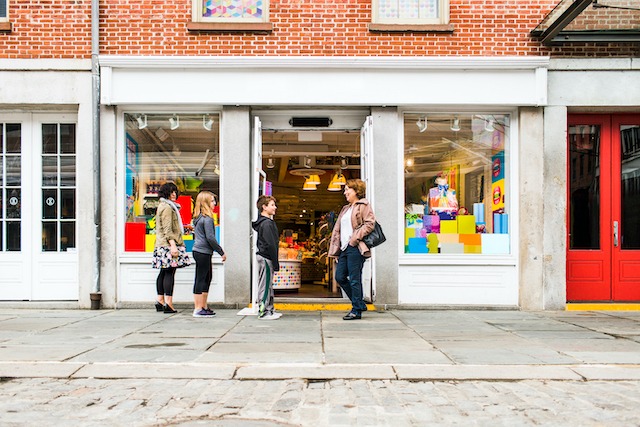
Not every display works the same in every setting, which is why adapting to different environments and audiences is important. A display that works well in a busy shopping mall might need a different approach in a small boutique or an outdoor event.
The audience also matters, because displays aimed at families may use playful designs, while a professional audience might respond better to sleek, minimal layouts.
By adjusting displays to match the space and the people, brands can make their message more relevant and engaging. This flexibility ensures the brand story always feels connected and effective.
Turning Every Display into Part of the Bigger Narrative
Every display should do more than just show a product; it should add to the bigger story a brand is telling. Whether it’s a window display or a digital screen, each one should connect back to the brand’s values and message.
For example, a sustainable brand might use eco-friendly materials in displays to highlight its commitment to the planet. When all displays tie together, they create a seamless experience that feels intentional and meaningful. This approach helps customers remember the products and understand the story and purpose behind the brand as a whole.
To Tell a Brand Story With Quality Displays, Call House of Flags
Now that you know how display tools can work together to tell a brand story, would you like some help creating advertising materials to get your brand message across?
At House of Flags, we have decades of experience in manufacturing and supplying a wide variety of effective promotional products. From banners, display stands and signage to branded flags and more, we’ve got it all!
With our expertise and high-quality products, you can rest assured that your brand will make an impact on your customers.
Explore our incredible products and get in touch with us to learn more about our services.