Table of Contents
At a Glance
What Is Boat Flag Etiquette and Why Does It Matter?
Understanding the Types of Flags and Their Meanings
When and Where to Fly National, Courtesy, and Club Flags
Common Mistakes to Avoid When Displaying Flags
Modern Etiquette Tips for Leisure Boaters and Yachters
For High-Quality Nautical Flags, Call House of Flags
At a Glance
From cruising locally or visiting foreign ports, proper flag etiquette helps you show pride, courtesy, and good seamanship. We explain the key rules for flying national, courtesy, club, and signal boating flags, plus when and where to display them. You’ll learn how to avoid common mistakes and follow both traditional and modern boating customs.
Flying flags on a boat isn’t just about decoration; it’s a tradition rooted in respect, communication, and pride. If you're new to boating and want to make sure you're following the rules, understanding boat flag etiquette is essential.
From the national ensign to courtesy flags and signal pennants, each flag has a purpose and a proper place to fly. Knowing when and where to hoist them shows that you’re a considerate and knowledgeable boater.
In this blog, we’ll explain everything you need to know about boat flag rules. You’ll learn about the different types of flags, their meanings, and the right way to display them.
If you're out for a casual cruise or entering a foreign port, you can stay respectful of maritime customs and make a great impression on fellow boaters.
1. What Is Boat Flag Etiquette and Why Does It Matter?
Boat flag etiquette is a set of rules and traditions that guide how and when to fly different flags on a boat. It’s about showing respect for your country, other boaters, and maritime customs.
For example, flying the national flag (called the ensign) in the right place and at the right time shows pride and awareness. Using the correct flags can also help communicate messages, like where you're from or if you're entering foreign waters.
Overall, following nautical flag etiquette isn’t just polite, it also helps create a safer, more respectful boating environment for everyone. It’s a small detail that makes a big difference.
2. Understanding the Types of Flags and Their Meanings
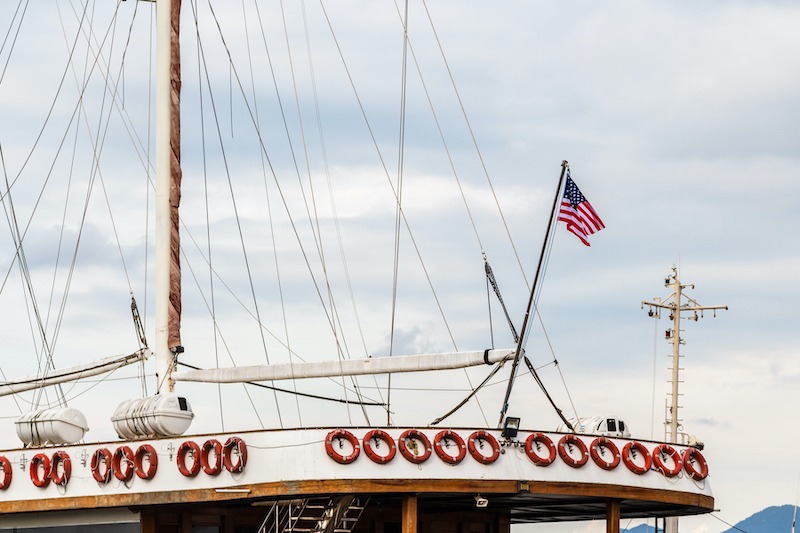
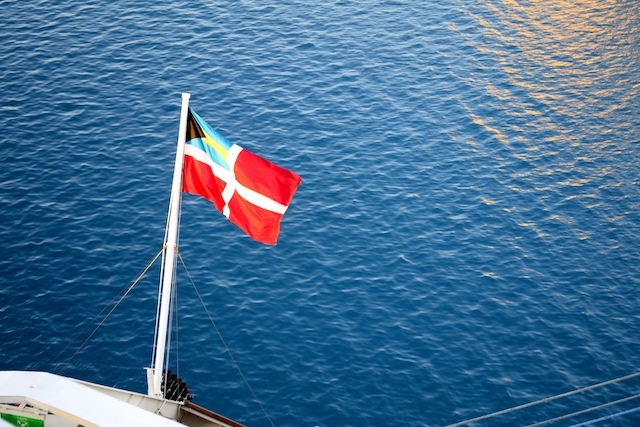
There are many types of flags used on boats, and each one has a specific meaning. The national ensign (your country’s flag) is the most important and is flown to show your boat’s nationality.
Then, there’s a courtesy flag, which is flown when you're in another country, showing respect to the host nation. Plus, signal flags are used to send messages between boats, especially when radios aren’t available.
Additionally, club burgees are used to represent yacht clubs, while private signals are personal flags chosen by boat owners. Knowing which flag to fly and when to fly it helps you follow proper etiquette and avoid confusion while out on the water.
Explore our range of high-quality nautical flags today.
3. When and Where to Fly National, Courtesy, and Club Flags
Knowing when and where to fly flags on your boat is key to proper boat flag etiquette. For instance, the national flag, or ensign, is usually flown at the stern (back) of the boat during daylight hours when the boat is in use.
If you’re visiting another country, fly a courtesy flag (that country’s national flag) on the starboard (right) side, often from the spreader. This shows respect for your host.
A club burgee, which represents your yacht or sailing club, is typically flown from the masthead or another prominent spot. Flying each of these flags correctly shows you're a respectful and informed member of the boating community.
4. Common Mistakes to Avoid When Displaying Flags
It’s easy to make small mistakes when flying flags on a boat, but these can often come across as disrespectful or careless. One common error is flying a worn or faded flag, which should always be replaced.
Another mistake is flying the national flag in the wrong position, such as at the bow instead of the stern. Boaters also sometimes forget to lower flags at night or when the boat is not in use.
Additionally, flying too many flags at once can look messy and confusing. The best way to avoid these mistakes is by learning basic boat flag rules, as it’ll help you stay respectful.
5. Modern Etiquette Tips for Leisure Boaters and Yachters
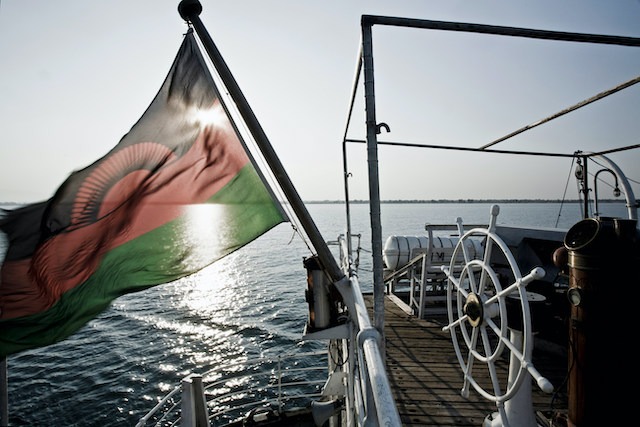
Modern boat flag etiquette is all about tradition and practicality. Leisure boaters should still follow key customs, like flying the Red Ensign at the stern during the day and lowering it at sunset.
If visiting a foreign port, it’s polite to fly that country's flag as a courtesy flag. Plus, it’s essential to keep flags clean and in good condition. For yacht club members, flying the burgee from the masthead is also still common.
While formalities have relaxed, showing basic respect with correct flag use is appreciated by fellow boaters and harbormasters alike. It’s about pride, courtesy, and good seamanship.
For High-Quality Nautical Flags, Call House of Flags
Now that you understand the correct boat flag etiquette, are you looking to purchase these kinds of flags for your boat? We’ve got you covered.
At House of Flags, we have decades of experience in manufacturing and supplying a wide variety of effective promotional products. From banners, display stands and signage to branded flags and more, we’ve got it all!
With our expertise and high-quality products, you can rest assured that your brand will make an impact on your customers.
Explore our incredible products and get in touch with us to learn more about our services.